This collection features three of SJK’s adapted research articles about aspects of growing up learned from research studies from widely varying fields: paleontology, infectious diseases, and economics. Engage students in exploring youth health and development using the scientific method. Each article comes with standards-matched adaptations, introductory video content, comprehension questions, and vocabulary to further the lesson outcomes. Each adapted article also comes with additional suggestions for activities to enhance the readers’ understanding and make the class more exciting.
1. How does limiting sugar early in life affect adult health?
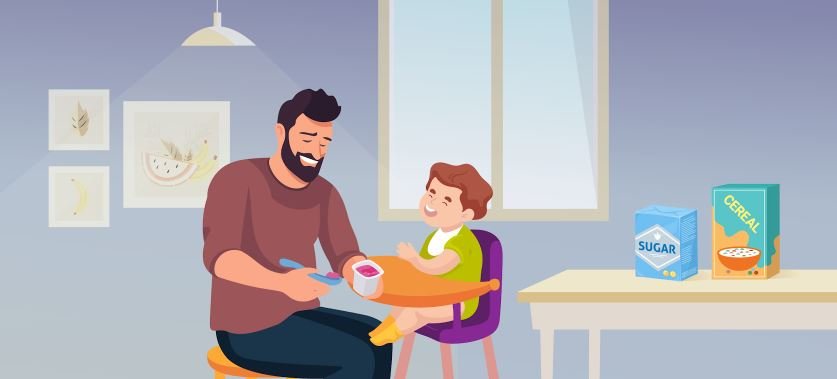
Abstract: What do soda, ice cream, and candy have in common? They all contain lots of added sugar! While sugar makes foods taste great, too much added sugar can negatively impact a person’s health. For instance, studies link high added sugar levels to type 2 diabetes and hypertension. These diseases often occur later in life. Because of World War II, the United Kingdom rationed several foods, including sugar, from 1940 to 1953. In September 1953, sugar rationing ended. This event likely caused diets to be lower in sugar before and higher after that date. We looked at the data and noticed that there was indeed an increase in the amount of sugar people ate right after the sugar rationing ended. We wanted to understand how being in a place with either very little or a lot of sugar early in life affected a person’s health as an adult. So, we studied adults born in the UK around the end of sugar rationing who were later diagnosed with type 2 diabetes and hypertension. For this group, we found that restricting sugar until age two decreased the chances of developing type 2 diabetes and hypertension. It also delayed when these diseases started.
This article is suitable for middle school and lower high school students. An audio narration is available in English, and a written translation is available in Spanish.
- Key terms: dietary choices, nutrition, teen health
- Scientific figures: scatter plot
- Scientific method: scientific modeling
2. What can fossils tell us about growing up?

Abstract: Did you know that some animals like crocodiles and sharks keep growing larger as they get older? Mammals are not like that. We only grow during the first part of our lives. We were curious about how this trait evolved, so we used X-rays and 3D imaging to look at two small mammal-like fossils from the Jurassic. The fossils were from a juvenile and an adult. We found they grew more slowly than mammals do today. This helps us better understand the evolution of mammals.
This article is suitable for middle school and lower high school students. An audio narration is available in English, and a written translation is available in Spanish.
- Key terms: evolution, extinction, fossils, mammals, paleontology
- Scientific figures: pictograph, time series graph
- Scientific method: case study, CT, observation, X-ray scanner
3. How do parasites limit a child’s growth?

Abstract: Stunting affects millions of kids around the world. This means they are not growing as tall as they should. Unfortunately, stunted children are more likely to have health problems later in life. One of the major reasons for stunting is not eating enough healthy food. Research also indicates that parasites can cause stunting. These parasites are common in poorer or tropical areas. So, how could parasites affect child growth? To find out, we examined evidence on stunting from different countries and organizations. We found several different ways in which parasites can lead to stunting. For example, they can interfere with nutrition, damage the gut and put stress on the immune system. So, it’s important to tackle both malnutrition and parasitic infections to prevent stunting.
This article is suitable for middle school and lower high school students. An audio narration is available in English, and a written translation is available in Spanish.
- Key terms: food security, immunity, infectious diseases, nutrition, parasite, teen health
- Scientific figures: map, pictograph
- Scientific method: systematic review
That’s Not All!
Browse our complete collection of articles on Teen Health, or Health and Medicine.

Title image by Antoni Shkraba Studio